
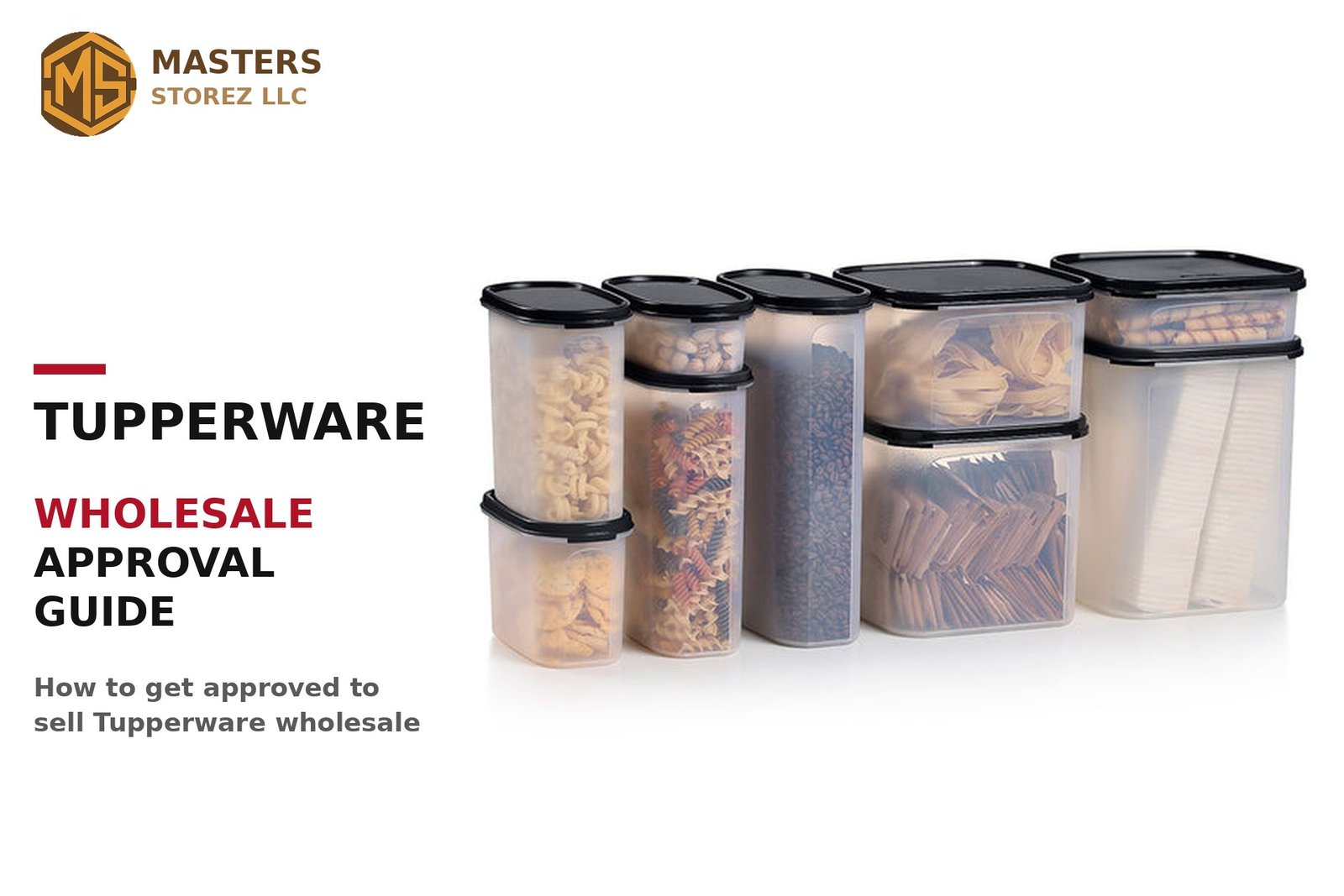
Tupperware is a famous name with a buying model that surprises many new resellers. The containers are known in almost every American home, yet the brand was built on home parties and direct sales, not on open wholesale shelves. That history shapes everything about how a small reseller can — and cannot — sell it. This Tupperware wholesale approval guide sets out the product range, the selling restriction you must know first, and how to approach the company for a legitimate route.
Tupperware: Brand Introduction
Tupperware began in 1946, when Earl Tupper developed a flexible, airtight plastic container with a seal that kept food fresh far longer than the wraps and jars of the time. The product was clever, but the sales model made it famous: in the 1950s the brand moved to home parties, where a host demonstrated the containers to friends and neighbours.
That direct-sales model still defines the brand today: Tupperware sells through its own consultants and online store, not through open wholesale distribution.
Tupperware Wholesale Approval: Available Categories
The Tupperware range is built around food storage and kitchen preparation. The core lines are airtight storage containers in many sizes, from small snack cups to large family containers, followed by serving pieces, mixing bowls, and canisters for dry goods. Lunch containers, water bottles, and on-the-go sets serve commuters and school lunches, while microwave-safe containers, freezer sets, and cooking tools cover the preparation side.
Seasonal colors and gift sets appear through the year, but the range itself is not the problem — these categories are designed to move through the brand’s own sales network, so a small retailer cannot simply order cases the way it would a grocery line.
Selling Permission: Where You Can Sell Tupperware
Here is the fact that decides this whole article: Tupperware is listed as Amazon NO in our batch research. The brand’s own US policy bans listing and selling its products on Amazon, eBay, and Walmart. The direct-sales model is the reason — the company protects its consultant network by keeping its products off third-party marketplaces. A reseller who lists Tupperware on Amazon risks a takedown, an intellectual-property complaint, and the loss of the marketplace account, so do not list it there under any circumstances.
That leaves a narrow set of legitimate options, mainly the brand’s own consultant route, which is a direct-sales role rather than a wholesale account. If marketplace selling is the goal, the practical move is to pick a different storage brand with an open channel. As an unverified suggestion only, OXO is worth looking at as a replacement — we have not verified its approval process or its marketplace status, so check it the same way you would check any new brand before buying stock. Do not treat that suggestion as an approval or a recommendation.
How to Get Tupperware Wholesale Approval by Email
Because Tupperware does not run an open wholesale program for independent resellers, the honest answer is that there is no standard wholesale approval email to send. The useful contact is the company’s customer care team, linked in the contact section below, and the right question to ask them is whether any authorized route exists for a small business in your position — for example, joining as a consultant or buying through an official channel.
If you write, include your business name, your EIN, your resale certificate, your store type, and your order volume, because those details let the team give you a straight answer instead of a generic reply. Ask directly whether a letter of authorization for Amazon is available. The answer you should expect, based on the brand’s published policy, is no — and that answer is valuable, because it stops you spending money on stock you cannot legally list. Our wholesale home and kitchen products guide lists other kitchen lines that work for small resellers.
Tupperware Brand Reviews and Market History
Tupperware has been in business since 1946, which is nearly eighty years of continuous sales. The brand’s reputation was built on a product that worked — an airtight seal that kept food fresh — and on a sales model that turned customers into sellers. Generations of households still own pieces bought decades ago, and that durability is the reason the name is trusted.
We do not publish ratings, scores, or market-share statistics for the brand, because those numbers change and we will not present estimates as facts. The useful lesson is that a strong brand is not the same as a sellable brand: demand can be high while the sales channel stays closed. Its history is impressive, but its marketplace ban means the history does not translate into a listing a small reseller can run. Before you buy any storage brand, read our guide to verifying wholesale products are authentic so the stock you receive is genuine.
How to Contact Tupperware
The only verified official contact route for this article is the Tupperware customer care page: https://order.tupperware.com/sfwoe_usa_us_html/support_usa_us.html
Use that page to reach the company’s support team, and ask whether any authorized route exists for a small business. Do not use an email address or phone number copied from an unofficial directory. If the team confirms there is no wholesale route for your situation, accept that answer and move on to a brand with an open channel rather than buying stock from an unauthorized source.
Tupperware is a reminder that brand strength and resale access are two different things. The name is famous, the product is proven, and the marketplace door is closed. A small reseller does best by checking the selling permission before spending a dollar, and by choosing a storage brand that welcomes marketplace sellers. If you would like help finding a kitchen line that fits your store and your marketplace plans, write to us at ceo@mastersstorezllc.com. Browse our homepage categories to see the home and kitchen lines we cover.